
What Category Strategy Do I Need in a Tariff-Driven World?
Introduction: Tariffs Are Reshaping Category Strategies
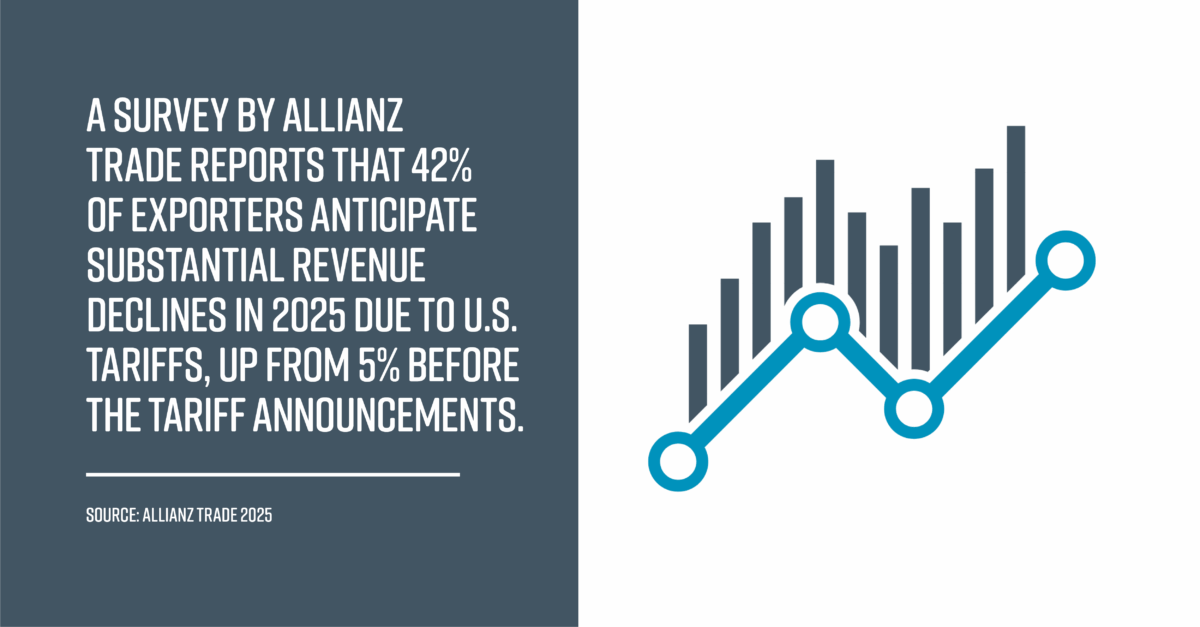
Tariffs have returned to the forefront of global trade policy, and they are fundamentally reshaping procurement and supply chains. From escalating U.S and China trade tensions to Brexit and other geopolitical shifts, companies are facing new import duties and trade barriers that can upend established sourcing plans.
Procurement and supply chain leaders find that tariffs and supply chain challenges are now intertwined - a change in tariff rates can ripple through costs, supplier choices, and delivery times. The tariff impact on supply chain operations is impossible to ignore. In this tariff-driven world, an agile category strategy is essential. Procurement professionals must rethink how they source and manage key spend categories to navigate rising protectionism, while still achieving cost and value goals. In short, category management must evolve to be more agile and proactive than ever before.
How Do Tariffs Disrupt Global Supply Chains?
Trade tariffs act like a sudden tax on your supply base, and their effects can be widespread. Understanding the tariff impact on supply chain performance is the first step in developing the right strategy. Tariffs can disrupt global supply chains in several key ways:
- Increased Costs: Import tariffs raise the cost of raw materials, components, and finished goods. These higher input costs either squeeze margins or force price increases down the line. For low-margin products, even a small tariff can make a previously viable supplier too expensive overnight.
- Supplier Disruption: When tariffs target specific countries or products, companies may need to switch suppliers or countries of origin quickly. Longstanding supplier relationships can be upended as organizations seek tariff-free or lower-duty sources. This disruption adds supply risk and requires vetting new vendors under time pressure.
- Logistics Volatility: Tariffs often lead to logistical re-routing and timing issues. For example, firms might expedite shipments to beat a tariff deadline or reroute goods through different countries to minimize duties. Such changes add complexity, cause transit delays, and can increase freight costs.
- Inventory Pressures: Facing tariff uncertainty, some businesses build up inventory before duties rise, while others delay orders hoping tariffs will be lifted. Both approaches carry risks. Stockpiling ties up capital and may lead to excess inventory if demand shifts, whereas waiting can result in stockouts. Either way, tariffs make inventory planning a far more delicate balancing act.
Each of these disruptions illustrates why a new approach is needed. Old assumptions of stable global trade no longer hold. Procurement teams must anticipate these challenges and build resilience into their category strategies.
Redefining Category Strategies to Support Supply Chain Resilience
In a tariff-driven world, procurement must redefine its category strategies with resilience and agility in mind. This means balancing cost against risk and being ready to adapt sourcing plans as conditions change. Key elements of a tariff-aware, resilient strategy include:
- Balancing Cost and Risk: Rather than chasing the lowest unit cost globally, category managers now evaluate risk-adjusted cost. A supplier in a country with high tariff exposure or political instability might carry hidden costs in the form of sudden duties or disruptions. Leading teams perform Total Cost of Ownership (TCO) analysis that factors in tariffs, logistics, and potential interruption costs - not just the price tag. The goal is an optimal balance between cost efficiency and supply security.
Alternative Sourcing and Diversification: A core strategic sourcing principle in this climate is to avoid single-country dependency for critical inputs. If one region is hit with tariffs, having qualified suppliers in other geographies (or domestically) keeps supply lines running. Category plans should include alternative suppliers or materials from tariff-friendly countries. For example, an organization might shift more volume to a local supplier for a key component if imports become cost-prohibitive. Developing new suppliers or using substitute materials can be an upfront effort, but it dramatically reduces risk.
Flexible Contracts and Partnerships: Procurement should build flexibility into supplier agreements to handle tariff volatility. This might include tariff review clauses (so parties can revisit pricing if duties change) or agreements to share the cost burden of new tariffs. Strong supplier partnerships are also crucial - a collaborative supplier may help find solutions like adjusting shipment schedules or sourcing raw materials from a different origin. Flexibility and trust in supplier relationships make it easier to respond quickly when trade policies shift.
By redefining categories this way, procurement moves beyond a pure cost focus to a balanced approach that delivers resilience. For many organizations, this is where they truly reap the benefits of category management - more stable supply lines, fewer costly surprises, and suppliers that can weather storms alongside you.
What Supply Chain Leaders Need from Category Strategies
In times of tariff turbulence, what do supply chain and procurement leaders expect from a robust category strategy? Primarily, they need assurance that procurement is proactively managing risk and working collaboratively across the business. Top requirements that leaders have for category strategies today include:
- Cross-Functional Collaboration: A tariff-resilient strategy isn't developed in isolation. Leaders want category managers to work closely with operations, logistics, finance, and other stakeholders to ensure sourcing decisions align with production and customer needs. For example, aligning procurement plans with the logistics team means shipments can be timed or routed optimally to mitigate tariffs. Collaboration also means keeping the business informed through scenario planning (e.g. "If tariffs on Component X jump to 25%, here's our plan").
- Scenario Planning and Agility: CPOs and supply chain directors expect their teams to conduct scenario planning as part of category management. This means anticipating various tariff outcomes or trade restrictions and mapping out responses in advance. A strong strategy might outline how to react if a tariff is imposed versus if it is lifted. Leaders value this agility - the ability to pivot quickly when conditions change. It is far easier to execute a well-thought-out backup plan (such as switching to a secondary supplier or alternative material) than to scramble reactively. Category strategies should therefore include contingency plans and defined "trigger points" for action.
- Alignment with Business Goals and Data-Driven Visibility: Ultimately, category plans must support broader business objectives while being grounded in solid data. Executives want assurance that procurement's strategy will keep supply flowing and budgets under control even under tariff pressures. That means using spend analytics and market intelligence to target the biggest tariff exposures and to quantify the impact of mitigation actions. When a category strategy is clearly aligned to business needs (like protecting manufacturing uptime or controlling costs) and backed by data, leadership can have confidence in the approach.
When done right, a category strategy provides a playbook for the company to follow, no matter what trade changes come. Leaders take comfort in knowing procurement has thought through the "what ifs" and prepared the organization to respond.
How to Build a Tariff-Resilient Strategy (Framework or Checklist)
Having the right principles is important, but how can procurement teams actually create a tariff-resilient category strategy? It helps to follow a structured framework or checklist to ensure all bases are covered. One proven approach is the 5i® Category Management process (Initiation, Insight, Innovation, Implementation, Improvement), which offers step-by-step guidance for developing robust strategies. Using this framework, you can build a tariff-resilient strategy by focusing on the following elements as you progress through the 5i stages:
- Initiation Stage - Focus: Identify Priorities and Risks: Determine which categories face the highest tariff exposure and prioritize them. Map where tariffs are hitting your spend and engage stakeholders early to set clear objectives for each high-risk category.
- Insight Stage - Focus: Gather Data and Market Intelligence: Analyze your spend and supply base to understand current dependencies. Use market intelligence to explore alternatives - for instance, are there viable suppliers in lower-tariff countries? This fact base will highlight opportunities to mitigate tariff costs.
- Innovation Stage - Focus: Develop Creative Options: Brainstorm solutions for navigating tariff challenges in the category. For example, consider dual sourcing (splitting volume between domestic and offshore suppliers), substituting materials, or shifting final assembly to a tariff-friendly location. Evaluate each option's feasibility and impact, then select the best combination of tactics for your strategy.
- Implementation Stage - Focus: Execute with Agility: Turn the strategy into action and stay flexible. Launch sourcing events or renegotiate contracts to put your plan in place - whether that means onboarding new suppliers or securing better terms with existing ones. Coordinate with logistics and operations teams on any changes to shipping routes or production. As you implement, monitor key metrics (like costs and service levels) and be ready to adjust if conditions change or a chosen solution isn't working as expected.
- Improvement Stage - Focus: Monitor and Refine Continuously: Even after the strategy is rolled out, continuously monitor results and external developments. Keep an eye on trade policy updates and measure how your strategy is performing and gather feedback from internal stakeholders about any new suppliers or processes. Use these insights to refine the category strategy. Continuous improvement ensures your strategy stays effective as market conditions evolve.
By following a structured framework like this, procurement can be confident it has covered all angles - from initial risk assessment to continuous refinement. Some organizations use dedicated procurement category management software (such as Capella) to guide them through these steps with built-in templates and analytics. Whether supported by software or managed manually, a thorough process results in a category strategy prepared to withstand tariff volatility.
Don't Rely Solely on AI or Tools - Strategy Starts with People
In the age of AI and big data, procurement technology is a powerful enabler. Advanced analytics can crunch numbers on tariff scenarios, and category management platforms can flag potential risks or opportunities. However, one crucial lesson in a tariff-driven world is not to rely solely on software or automation. Strategy starts with people.
No AI can fully capture the nuances of business priorities, supplier relationships, or the creative problem-solving ability of an experienced category manager. Tools like digital dashboards and predictive analytics provide valuable support, but they must be guided by human insight. For example, an algorithm might identify a new supplier in a low-tariff country as the cheapest option, but a seasoned procurement professional will consider factors beyond price - such as that supplier's reliability and capacity. It takes human judgment to weigh these trade-offs and negotiate delicate matters like how to share the pain of sudden tariffs with a supplier.
Moreover, implementing a new category strategy often requires change management and stakeholder buy-in. Skilled practitioners excel at communicating changes, managing supplier partnerships, and adjusting tactics in real-time - capabilities no software can replace. In practice, the best results come from combining technology and human expertise. Let the tools do the heavy lifting with data and scenario analysis, but let people make the decisions and build the relationships. Strategic sourcing and category management have always been people-driven disciplines at their core. Even with today's AI-assisted tools, it's the insight and creativity of procurement professionals that turn a good plan into great results.
Conclusion: Build the Strategy That Is Agile
Tariffs are likely to remain a reality of global commerce, but with the right approach, they don't have to derail your supply chain. The procurement teams that thrive despite these challenges are those who build agile category strategies - plans that can absorb shocks, pivot when needed, and still deliver on key objectives. By understanding how tariffs and supply chain dynamics intersect and by proactively adapting your category management approach, your organization can navigate even the most turbulent trade environment.
Now is the time to strengthen your strategy. Don't wait for the next tariff announcement to react. Instead, be proactive and make category planning a continuous process. If you're looking for guidance, take the next step and explore Capella's approach to procurement category management and strategy. Capella's platform, built on the 5i® methodology and powered by AI, helps procurement teams develop agile, resilient strategies.
Click here to see how Capella can turn tariff challenges into a strategic advantage for your organization.